
- COMMUNITY EDUCATION
Community Education on Domestic Abuse
(For Kenyans Living in Australia)
Why Kokwet NSW Is Addressing Domestic Abuse
Kokwet NSW is committed to promoting safe, respectful, and supportive families within the Kenyan community living in Australia.
Domestic abuse can affect individuals and families across all cultures, ages, and backgrounds. Living in a new country, combined with cultural expectations and fear of authorities, can make it difficult for people to recognize abuse or seek help.
This page is provided for community education and awareness, to help our members understand domestic abuse, know their rights, and access support when needed.
Introduction
Living in Australia means adjusting to new social and legal expectations. Many Kenyans, whether newly arrived or long settled, may feel unsure or unclear about how sexual consent works under Australian law.
This page explains sexual consent, how it applies in Australia, and why understanding it matters for our community.
What Is Domestic Abuse?
Domestic abuse refers to patterns of behavior used to control, intimidate, harm, or dominate another person in a family or intimate relationship.
It can include:
- Physical abuse
- Emotional or psychological abuse
- Sexual abuse
- Financial or economic control
- Threats, intimidation, or coercion
- Controlling behavior, including isolation from friends, family, or community.
Abuse is about power and control, not normal disagreement or family conflict.
What Is Domestic Abuse?
Domestic abuse refers to patterns of behavior used to control, intimidate, harm, or dominate another person in a family or intimate relationship.
It can include:
- Physical abuse
- Emotional or psychological abuse
- Sexual abuse
- Financial or economic control
- Threats, intimidation, or coercion
- Controlling behavior, including isolation from friends, family, or community
Abuse is about power and control, not normal disagreement or family conflict.
You can learn more about how Australia defines domestic and family violence through 1800RESPECT: https://www.1800respect.org.au/violence-and-abuse/domestic-and-familyviolence
Domestic Abuse and Australian Law
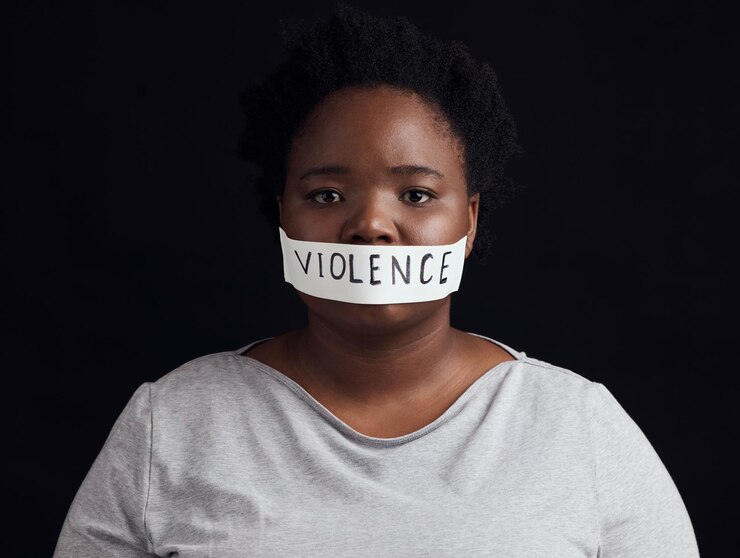
Under Australian law:
- Domestic and family violence is taken seriously
- Abuse does not need to be physical to be unlawful
- The law applies to everyone living in Australia, regardless of nationality or visa status
- Both women and men can be victims or perpetrators
Cultural background, family expectations, or stress do not excuse abusive behavior.
For general information on Australian protections, visit: Australian Government – Family and Domestic Violence https://www.health.gov.au/topics/family-domestic-and-sexual-violence
Living between Two Cultures
Many Kenyans in Australia value:
- Family unity
- Privacy in family matters
- Respect for marriage and elders
These values are important, but they should never be used to justify harm, silence victims, or discourage people from seeking help.
Some people remain in abusive situations due to fear, shame, concern for children, or uncertainty about Australian laws. Learning and open conversation help protect individuals, families, and the wider community.
Domestic Abuse Can Affect Men Too
Domestic abuse does not only affect women. Men can also experience abuse, including emotional, financial, physical, or sexual abuse.
In Kenyan culture, men may feel pressure to stay silent, appear strong, or avoid speaking out. This can make it harder for men to seek help or even recognize that what they are experiencing
is abuse.
Australian support services are available to people of all genders, and seeking help is a sign of strength, not weakness.
Visa Concerns and Fear of Reporting
Some community members may fear that seeking help or reporting abuse could affect their visa or immigration status.
It is important to know that:
- Support services are confidential
- Seeking help does not automatically affect your visa
- Services focus on safety, support, and information
- You can speak to someone without making a police report
Confidential support is available through 1800RESPECT, which serves migrants, refugees, and temporary visa holders: https://www.1800respect.org.au/contact-us
You can ask questions, understand your options, and receive guidance without pressure.
Protection and Responsibility
Australian law:
- Protects victims of domestic and family violence
- Holds perpetrators accountable
- Prioritizes the safety of victims and children
Knowing both your rights and responsibilities helps keep individuals, families, and the community safe.
New to Australia? Please Read
If you are newly arrived in Australia, domestic abuse laws may be different from what you are used to. Some behaviors that may be considered private family matters elsewhere can be illegal in Australia.
Taking time to understand these laws protects you, your partner, and your family.
When Should I Seek Help?
You may consider seeking support if:
- You feel afraid of your partner or family member
- Someone controls your money, movements, or communication
- You are constantly insulted, threatened, or put down
- Physical harm has occurred or is threatened
- Children are affected or witnessing violence
You do not have to wait until things get worse to seek help.
FAQs — Sexual Consent for Kenyans in Australia
Does Australian law protect foreigners from domestic abuse?
Yes. Australian law protects everyone living in Australia, including migrants and visitors.
Can men experience domestic abuse?
Yes. Domestic abuse can affect people of all genders, including men.
Will seeking help affect my visa status?
Support services are confidential. Seeking help does not automatically affect your visa.
Is domestic abuse only physical violence?
No. Emotional, financial, sexual, and controlling behaviors are also forms of abuse.
What about children in abusive homes?
Children are protected under Australian law, including those who witness violence.
Support Services in Australia
Support services are confidential, free, and available to everyone.
- 1800RESPECT – 1800 737 732
24/7 support for domestic, family, and sexual violence https://www.1800respect.org.au/contact-us - Emergency: Call 000 if there is immediate danger
These services can provide counselling, safety planning, referrals, and information about your options.
Learn More about Domestic Abuse
For further guidance and support, explore these trusted Australian resources:
- 1800RESPECT – Domestic and Family Violence Information
https://www.1800respect.org.au/violence-and-abuse/domestic-and-family-violence - Australian Government – Family, Domestic and Sexual Violence https://www.health.gov.au/topics/family-domestic-and-sexual-violence
- NSW Government – Domestic Violence Support https://www.facs.nsw.gov.au/domestic-violence
These resources are reliable, confidential, and suitable for both newcomers and long-term
members of the community.
Disclaimer
This information is provided for community education only and does not replace legal advice.
For legal guidance, please contact a qualified legal professional or relevant authorities.
Kokwet NSW is not a crisis service and does not provide legal advice. We help connect community members
to appropriate support services
Around the Web
Stay connected with Kokwet NSW – follow us on our social platforms for updates, events, and community news.