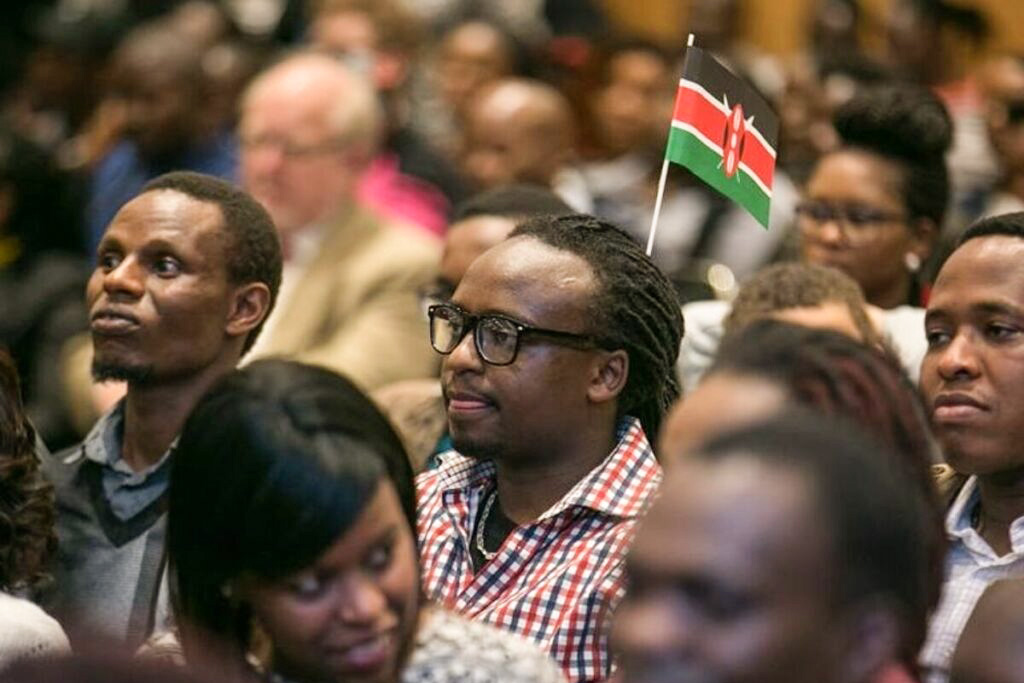
When I packed my bags for Australia in late 2023, Ruto’s administration was still rehearsing its lines, but the opulence of its inner circle had started unfolding in full view for all to see. With two suitcases and a phone full of goodbyes, I was keen to make the most out of Australia’s offerings. Somewhere between activating my SIM card, the punctual trains, my second-hand car, and the $5 drumsticks from Coles two minutes away, my focus on Kenyan politics slowly dimmed, as life in the land down under demanded my attention. Headlines from home began to shrink, ads from Kenyan brands slowly faded, and the Australian accent became the new normal. Days turned into weeks, and I swam in my newfound comfort, oblivious to the growing anger among the youth I once called friends back home. Then came 25th June 2024. All was not well at home.
My phone buzzed with live images from Nairobi. The streets I once walked stirred with anger and frustration, while the air back home was filled with discontent against the ruling class. As I scrolled through my feed, it was apparent that young people were demanding to be heard and unwilling to be silenced. In that instant, it dawned on me what the Australian comfort had done. It had numbed me. It was a private embarrassment. I was always politically active, constantly engaged with current events and emerging issues. So how did I slip into forgetfulness? When did vigilance become voyeurism?
While migrating to a new country poses specific challenges and demands re-invention, the cost of the Australian comfort on one’s civic duty to their home country eventually reflects in the dollars you send home, the policies that greet you when you land, the (un)safety of your family, and the future you imagine returning to.
African Diaspora: Facilitating Change
African diasporans have, time and again, expedited political, economic, and social change in their home countries. South Africans overseas played a massive role in ending apartheid when they pressured international governments for sanctions, which not only forced the then regime to concede, but also led to the release of Nelson Mandela.
Tunisian expats exposed abuses by their authoritarian government on social media and transnational networks during the 2010-2011 revolution, and coordinated worldwide support until Ben Ali fled, making Tunisia the first democracy to emerge from the Arab Spring.
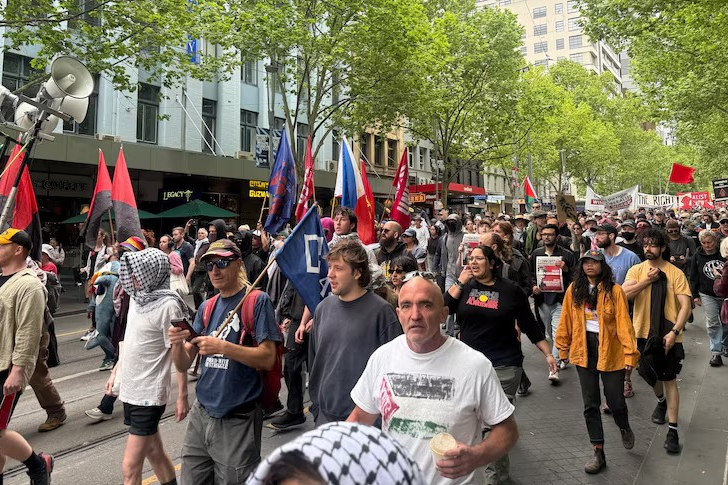
Africans worldwide backed Sudanese immigrants in the 2018-2019 Sudan uprising through online fundraising, organizing, and media amplification until a democratic transition was realized. And more recently, in 2024, Kenyans abroad held rallies outside embassies alongside the home-based Gen Z protests to heighten international pressure and secure the withdrawal of the Finance Bill.
We learn from South Africa, Tunisia, and Sudan that proactive diaspora efforts, such as policy advocacy, legal funding, and activist visibility, can and do accelerate resolutions. For Kenya, diaspora action arrived after domestic momentum had already peaked. In the future, we must strike while the iron is still hot.
Structured Advocacy
June 25th reminds us that distance doesn’t silence duty; it magnifies it. Kenyans abroad ceased being mere spectators and became active amplifiers, livestreaming protests, briefing foreign media, and lobbying host-country officials. This surge proved that distance can’t extinguish conviction yet exposed the lack of structure in our power. Emotions mobilized us, but structure will sustain us.
The Kenya Community NSW (KCNSW) has already shown what structured diaspora advocacy looks like. Through months of quiet lobbying, petitions, embassy meetings, and steady, respectful pressure, it secured the right for Kenyans in Australia to vote in the 2027 elections, a first in our history here. Speaking to one of the leaders of the KCNSW community, he reiterated that, as in any democratic state, collective action and a unified voice among the Australian diaspora remain powerful tools for influence. He emphasized that the diaspora cannot simply wait for a visiting delegation, burn the midnight oil, and hope to present a memorandum. Action, he said, must be continuous, structured, and strategic.
These milestones, like the ability, didn’t happen because we shouted the loudest; it happened because we engaged systematically. Advocacy works when it’s treated like civic engineering, not crisis management. Structured advocacy transforms scattered efforts into coordinated impact. The Kenya Diaspora Policy 2024 provides a framework for diaspora engagement in national development, enabling systematic contributions to necessary reforms. This structure ensures protection, empowerment, and seamless integration, turning emotional mobilization into sustained advocacy and unity.
Civic Duty
More importantly, June 25th was a stark reminder that it is our civic duty to stay informed about news and current events in Kenya. Keeping abreast of political shifts, economic changes, or social issues will help us better understand the challenges facing our families and communities, thus driving us to be proactive by engaging in meaningful advocacy, supporting progressive policies, participating in elections, and even inspiring or mentoring emerging leaders. This is a foundational step toward shaping leadership in Kenya, ultimately contributing to Kenya’s growth and governance from afar.